What We Look For Today: Fire Safety in Everyday Surveys
While we may not be rebuilding from disaster like in 1666, many of the fire risks we identify in homes today are no less serious. At Nova Surveyors, fire safety is an important part of our everyday condition and pre-purchase reports.
Here are just a few examples of the fire-related issues we commonly identify:
Missing Fire Break Walls in Roof Spaces
During a recent routine roof space investigation at a mid-terrace property, we noted that there was no fire break wall at all between the loft spaces of two adjoining homes. Not only does this raise a security concern, but it also presents a serious fire risk - any fire in one property could spread rapidly through the unbroken roof space into the neighbouring house.
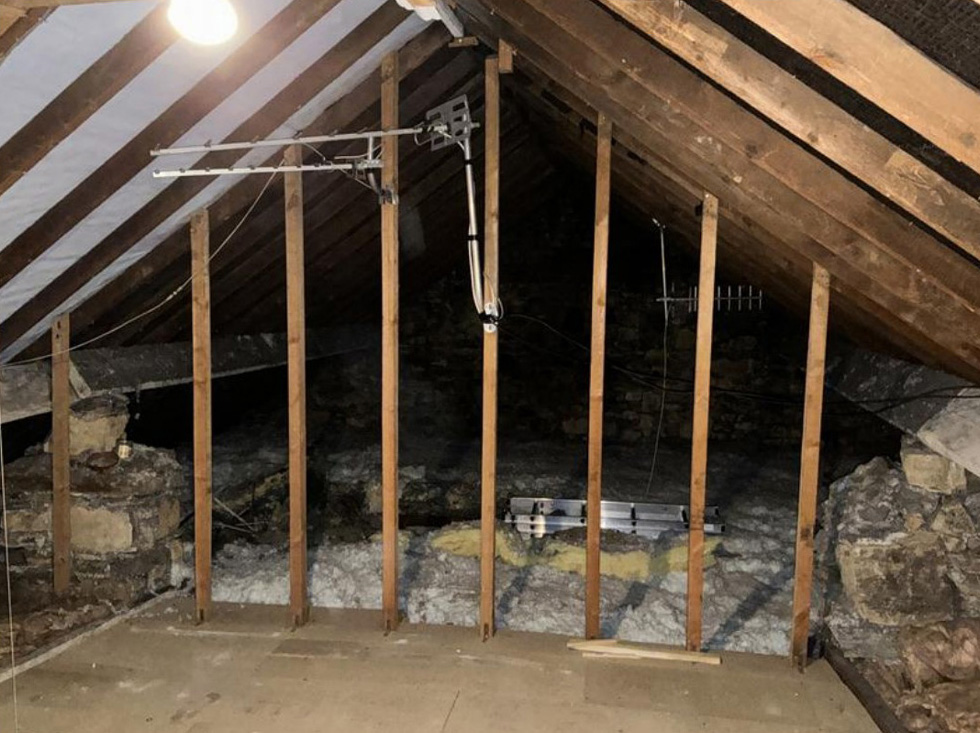

Our recommendation: Install a suitable fire-stopping partition. This could be a masonry block wall or a properly constructed stud wall using fire-rated plasterboard. This critical barrier slows the spread of fire and allows occupants in adjoining homes time to escape safely.
Damaged Electrical Wiring
In another case, one of our surveyors discovered melted plastic casing on electrical wiring in a loft, a strong indication of overheating or a potential electrical fault. Loft spaces are filled with dry timber, insulation, and other flammable materials, making them particularly dangerous places for electrical fires to start unnoticed.
Our recommendation: Have the electrics inspected by a qualified electrician as soon as possible, and carry out any necessary repairs. Catching these faults early can prevent major damage and risk to life.

Inadequate Fire and Carbon Monoxide Detection
Every survey we undertake includes a visual inspection of fire detection systems. We often find homes without enough smoke alarms or missing carbon monoxide detectors - particularly in properties with open fires, gas boilers, or wood burners.
Our standard recommendation: Ensure that there are suitable smoke and carbon monoxide detectors in key locations, which often include:
- Hallways and landings
- Kitchens
- Rooms with fuel-burning appliances
The specific layout and fire risk profile of your home will affect the best arrangement, and for landlords, it’s not just advice - it’s the law. Rented homes and Houses in Multiple Occupation (HMOs) are subject to legal standards that specify the number, type, and location of alarms required.
Other things our surveyors consider
- Missing kitchen doors.
- Fire doors between integral garages and the habitable home.
- Older style consumer units.
- Dated wiring systems.
- Solar panel systems and battery storage.
- Increased risk of thatched roofing.
- Chimney and flue servicing and sweeps.
Why This Still Matters - Real Fires, Real Risks in North Devon
While the Great Fire of London may feel like ancient history, the risk of fire spreading quickly through homes hasn’t gone away. In fact, many of the issues our surveyors uncover - such as missing fire breaks, faulty electrics, or poor detection - are still found in modern properties today.
And it’s not just theoretical. Right here in North Devon, we’ve seen multiple real-life incidents where fire has spread rapidly, caused significant damage, or put lives at risk - often in ways that could have been prevented with better fire safety measures.
Here are just a few local examples that highlight why fire safety is still such an important part of what we do:
1. Thatched Cottages Fire, Georgeham (March 24, 2025)
Two semi‑detached thatched homes near Braunton caught fire in Georgeham early one morning. Around 50 firefighters from 12 stations tackled the blaze, using aerial ladders and multiple hoses to save properties and prevent further spread Firefighters tackle blaze after two thatched cottages in Georgeham catch fire | ITV News West Country.
Thatched properties are particularly vulnerable in the roof space - a classic example of why proper fire compartmentation and early detection are vital. Whether thatched or not, any loft without clear fire barriers, such as fire‑rated partitions, can allow flames to spread rapidly across properties.
2. Roof/Loft Fire, Bideford (May 2025)
In early May, a significant house fire broke out in Bideford. Flames were seen erupting from the roof, prompting evacuation of a neighbouring flat block. Seven fire engines and an aerial unit were deployed to stop the fire from spreading further devonlive.com.
This incident highlights the threat of roof‑space fires in urban residential areas. Issues like overheating electrics or missing fire breaks can turn lofts into fire corridors -exactly what our surveys aim to detect and remedy.
3. Detached House & Barn Fire, North Molton (Late May 2025)
A detached, unoccupied brick and cob barn near North Molton was "well alight" before crews arrived. The attic and roof of the adjacent property were also 5% fire- and smoke-damaged dsfire.gov.uk.
This real‑world example shows how even non‑residential spaces like barns can threaten neighbouring homes if fire breaks or barriers aren’t in place. It reinforces the importance of structural and fire‑resistance inspections - not just for homes, but adjacent structures too.
Fire Safety Isn’t Just Common Sense - It’s Good Surveying
Modern building surveyors might not walk the streets of a fire-ravaged city like their 17th-century predecessors, but we carry forward the same mission: to make homes safer, more resilient, and built to last.
If you're buying a home, managing a rental property, or simply want peace of mind, our surveys don’t just tick boxes - they give you practical, real-world insights into the hidden risks you might otherwise miss. Fire safety is just one part of that picture, but it’s one that can save lives.
Get in touch with Nova Surveyors today to arrange your survey - because the best way to fight fire is to stop it before it starts.
Top Tip - Did you know that most local fire services offer free home fire safety visits? If you're worried about your home, or the home of someone you care about - check out your local fire service web site: Home safety visits | Devon and Somerset Fire and Rescue Service